
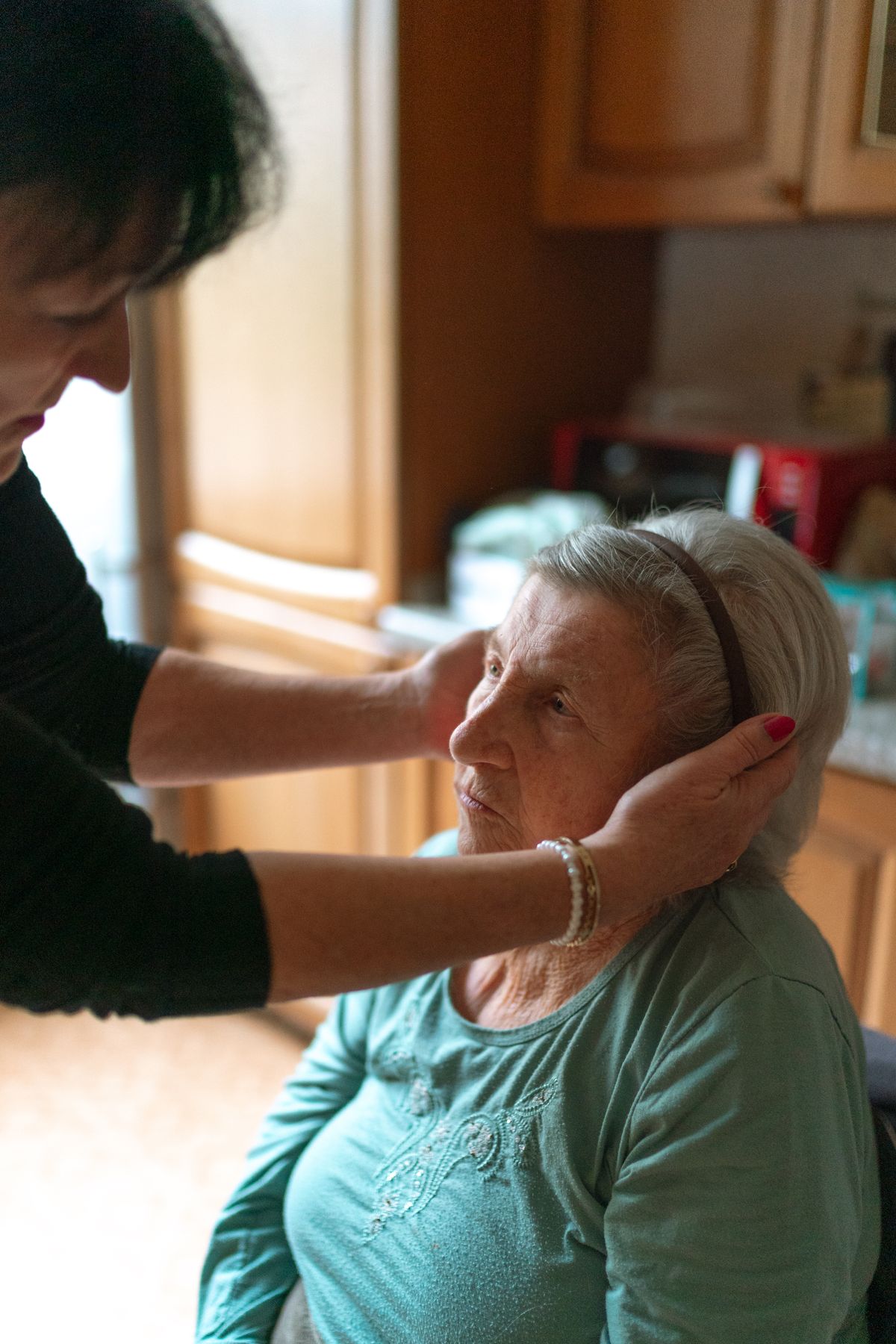
If you've been driving home from your parents' house lately with a knot in your stomach, you're not imagining things. Adult children are usually the first to notice when something has shifted — a stack of unopened mail, a stove left on, a mother who used to call you back within the hour and now doesn't answer for days. And right behind that worry usually comes guilt: guilt for noticing, guilt for wondering if you're overreacting, guilt for even thinking the word "help." You are not betraying your parent by paying attention. You're doing exactly what a loving family member does. Here are five signs worth taking seriously, and what they might be telling you.
Medication Mix-Ups
Pill organizers that are still full on a Friday. Prescriptions that are refilled way too early or way too late. A parent who can't quite explain which pill is for their blood pressure and which is for their heart. Managing multiple medications on a strict schedule is hard even for someone at their sharpest, and when it starts slipping, the consequences can be serious fast — a missed dose, a doubled dose, a dangerous interaction. If you find yourself quietly reorganizing their pillbox every time you visit, that's information, not paranoia.
Meals Are Being Skipped or Something's Off in the Kitchen
Check the refrigerator. Is it full of spoiled food, or oddly empty? Has your loved one lost weight without trying, or mentioned they "just haven't been that hungry"? Cooking takes planning, standing, lifting, and energy — all things that get harder with age, arthritis, or fatigue. Skipping meals rarely announces itself. It shows up sideways, in a fridge that doesn't match the person who used to keep it stocked.
Unexplained Bruises or a Fall They Downplayed
"Oh, I just bumped into the counter." Maybe. But bruising on the arms, hips, or legs can also point to balance problems, dizziness, or a fall that happened when no one was around to help. Pay attention if your loved one mentions a fall casually, almost too casually — that's often someone trying to reassure you (and themselves) that it's nothing, when it's actually the thing you most need to know about.
Pulling Back From People and Things They Used to Enjoy
Skipping the weekly card game. No longer calling their sister on Sundays. Letting the garden go, or the hobby that used to light them up. Social withdrawal is one of the quieter warning signs because it doesn't look like an emergency — it looks like tiredness, or "just not feeling like it lately." But isolation and depression feed each other, especially in older adults managing chronic illness, grief, or the loss of independence. A parent who is pulling inward is often a parent who is struggling more than they're saying out loud.
The House Isn't Being Kept Up the Way It Used To Be
Unpaid bills on the counter. Laundry piling up. A yard that hasn't been touched in weeks, or a bathroom that isn't as clean as it once was. Your parent's home has always reflected how they're doing — and when the upkeep starts slipping, it's rarely about motivation. More often, it's about energy, mobility, or memory quietly running short.
If two or three of these sound familiar, please hear this: noticing is not overreacting, and asking for help doesn't mean you're giving up on your parent's independence — it means you're protecting it. A little support at home, even just a few hours a week, can be the difference between a crisis and a calm, manageable next chapter. Our Services 4 You is a licensed Florida nurse registry serving Miami-Dade and Monroe County, including the Keys, and we've walked this road with hundreds of families across South Florida. Call us at (305) 456-4949 for a free, no-pressure consultation. We'll listen, answer your questions honestly, and help you figure out what your family actually needs — nothing more, nothing less.